Essential Automotive Maintenance Tips to Improve Car Performance and Longevity
Proper automotive maintenance is the foundation of reliable performance, safety, and long-term vehicle value. Many car owners underestimate how regular care can prevent costly repairs, improve fuel efficiency, and extend the lifespan of their vehicles. As modern cars become more technologically advanced, maintenance is no longer optional—it is essential.
This comprehensive guide covers essential automotive maintenance tips that help improve car performance and longevity. Whether you drive a compact car, SUV, or electric vehicle, these practices will keep your vehicle running smoothly for years to come.
1. Follow the Manufacturer’s Maintenance Schedule
Every vehicle is designed with a specific maintenance schedule provided by the manufacturer. This schedule outlines when to service major components such as oil, brakes, filters, and belts.
Why This Matters
- Prevents premature wear and failure
- Maintains warranty coverage
- Ensures optimal engine performance
Ignoring recommended service intervals often leads to expensive repairs that could have been avoided with routine inspections.
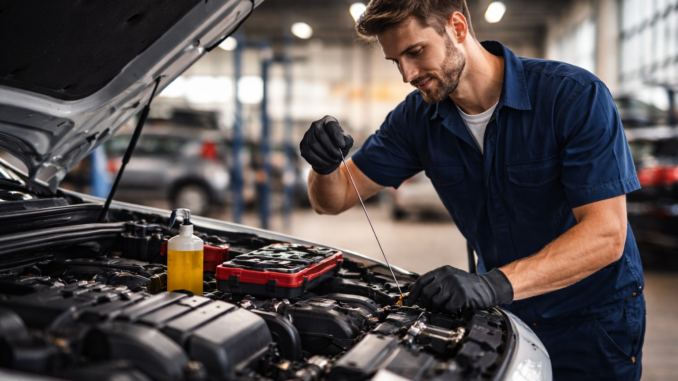
2. Change Engine Oil and Filter Regularly
Engine oil lubricates moving parts, reduces friction, and helps regulate temperature. Over time, oil degrades and becomes contaminated with dirt and debris.
Best Practices
- Change oil every 5,000–10,000 km depending on oil type
- Always replace the oil filter during oil changes
- Use manufacturer-recommended oil viscosity
Fresh oil improves engine efficiency, reduces wear, and extends engine life significantly.
3. Maintain Proper Tire Pressure and Alignment
Tires play a critical role in vehicle handling, braking, and fuel efficiency. Incorrect tire pressure can reduce performance and increase tire wear.
Tire Maintenance Tips
- Check tire pressure monthly
- Rotate tires every 8,000–10,000 km
- Perform wheel alignment when steering feels off
Well-maintained tires improve road grip, fuel economy, and overall driving safety.
4. Inspect and Replace Air Filters
Air filters prevent dust and debris from entering the engine and cabin. A clogged air filter restricts airflow and reduces engine performance.
Benefits of Clean Air Filters
- Improved fuel efficiency
- Better engine responsiveness
- Cleaner cabin air quality
Replacing air filters regularly is an inexpensive way to enhance engine health and passenger comfort.
5. Keep the Cooling System in Top Condition
The cooling system regulates engine temperature and prevents overheating. Neglecting coolant maintenance can lead to severe engine damage.
Cooling System Care
- Check coolant levels regularly
- Flush and replace coolant as recommended
- Inspect hoses and radiator for leaks
A healthy cooling system ensures stable engine operation and prevents breakdowns.
6. Monitor Brake System Health
Brakes are one of the most critical safety components in any vehicle. Worn brake pads or low brake fluid can compromise stopping power.
Brake Maintenance Essentials
- Inspect brake pads and rotors regularly
- Replace brake fluid as scheduled
- Listen for unusual noises during braking
Proper brake maintenance not only improves safety but also protects related components from excessive wear.
7. Replace Spark Plugs When Needed
Spark plugs ignite the air-fuel mixture inside the engine. Over time, worn spark plugs cause misfires, poor fuel economy, and rough engine operation.
Signs of Worn Spark Plugs
- Difficulty starting the engine
- Reduced acceleration
- Increased fuel consumption
Replacing spark plugs restores engine performance and improves combustion efficiency.
8. Maintain the Battery and Electrical System
A weak or failing battery can cause starting problems and affect electronic systems. Modern vehicles rely heavily on electronics, making battery health essential.
Battery Care Tips
- Clean battery terminals to prevent corrosion
- Test battery voltage annually
- Replace the battery every 3–5 years
A healthy battery ensures reliable starts and stable electrical performance.
9. Check and Replace Fluids Regularly
In addition to engine oil, vehicles rely on several other fluids to function properly.
Essential Fluids to Monitor
- Transmission fluid
- Brake fluid
- Power steering fluid
- Windshield washer fluid
Low or contaminated fluids increase wear and reduce system efficiency. Regular fluid checks help maintain smooth operation.
10. Pay Attention to Warning Lights
Dashboard warning lights are early indicators of potential problems. Ignoring them can lead to serious damage.
Common Warning Lights
- Check engine light
- Oil pressure warning
- Battery alert
- Brake system warning
Prompt diagnosis and repair prevent minor issues from becoming major repairs.
11. Keep the Fuel System Clean
A clean fuel system ensures proper fuel delivery and efficient combustion. Dirty injectors and fuel lines reduce performance and fuel economy.
Fuel System Maintenance
- Use quality fuel from reputable stations
- Add fuel system cleaner periodically
- Replace fuel filters as recommended
A well-maintained fuel system improves throttle response and engine efficiency.
12. Inspect Belts and Hoses
Belts and hoses power and support critical engine components. Cracks, leaks, or wear can cause sudden breakdowns.
Inspection Tips
- Check for visible cracks or fraying
- Replace worn belts promptly
- Inspect hoses for leaks and bulges
Replacing belts and hoses on time prevents engine overheating and system failure.
13. Wash and Protect the Exterior Regularly
Exterior maintenance is not just about appearance—it also protects the vehicle from corrosion and environmental damage.
Exterior Care Benefits
- Prevents rust formation
- Preserves paint quality
- Maintains resale value
Regular washing and waxing protect the vehicle’s body from dirt, moisture, and UV rays.
14. Maintain the Interior for Long-Term Comfort
Interior components such as seats, dashboard, and electronics require care to maintain comfort and functionality.
Interior Maintenance Tips
- Clean seats and carpets regularly
- Protect dashboard from sun damage
- Keep electronics dust-free
A well-maintained interior enhances driving experience and vehicle value.
15. Drive Responsibly to Reduce Wear
Driving habits significantly affect vehicle lifespan. Aggressive driving increases stress on engine, brakes, and suspension.
Smart Driving Habits
- Avoid rapid acceleration and hard braking
- Warm up the engine before driving aggressively
- Reduce overloading the vehicle
Smooth driving improves fuel efficiency and reduces mechanical wear.
16. Schedule Professional Inspections
While DIY maintenance is helpful, professional inspections catch hidden issues that may go unnoticed.
Why Professional Service Matters
- Advanced diagnostic tools
- Expert assessment
- Preventive maintenance planning
Annual inspections help maintain peak performance and long-term reliability.
Conclusion: Invest in Maintenance for Long-Term Performance
Automotive maintenance is an investment that pays off through improved performance, reduced repair costs, and extended vehicle lifespan. By following these essential maintenance tips, car owners can ensure their vehicles remain safe, efficient, and reliable.
Regular care not only enhances driving comfort but also preserves resale value and reduces environmental impact. Whether your goal is better fuel efficiency or long-term durability, consistent automotive maintenance is the key to achieving it.
Taking proactive steps today will help your vehicle deliver dependable performance for many years to come.